Marine Insurance Under CIF and FOB Terms: Who Pays?
ASIB Staff
Under CIF terms the seller pays for marine insurance, and under FOB terms the buyer does. That simple rule hides two traps. The cover a CIF seller must buy is only the minimum, and an FOB buyer is on risk from the moment goods are loaded abroad, often before a policy is in place.
This guide explains how marine insurance under CIF and FOB terms works under Incoterms 2020, how the other common terms compare, and how UAE buyers and sellers can close the gaps.
Marine Insurance Under CIF and FOB Terms: The Short Answer
Under CIF (Cost, Insurance and Freight), the seller must insure the cargo for the buyer's benefit, but only at a basic level. Under FOB (Free On Board), neither party is obliged to insure, so the buyer should arrange its own cover.
In both cases, risk passes to the buyer at the same point: when the goods are on board the vessel at the port of shipment. What changes is who arranges the insurance and how much protection the buyer ends up with.
CIF: the seller insures, at minimum on Institute Cargo Clauses (C), for at least 110% of the contract price, as far as the destination port.
FOB: the buyer insures, from loading onwards, on whatever terms it chooses.
Incoterms are the International Chamber of Commerce's standard trade terms, and the current edition is Incoterms 2020. Each rule sets where goods are delivered, when risk passes from seller to buyer and who pays for transport. Only two rules, CIF and CIP, oblige anyone to buy insurance.
Under every other rule, insurance is a commercial decision. Whoever carries the risk at each stage should insure it, because no one else will.
Term
Risk passes to the buyer
Insurance obligation
What a UAE importer should do
EXW
When goods are made available at the seller's premises
None
Insure from the seller's door
FOB
When goods are on board at the port of shipment
None
Insure from loading to your warehouse
CFR
When goods are on board at the port of shipment
None
Insure from loading to your warehouse
CIF
When goods are on board at the port of shipment
Seller: ICC (C), 110%
Check the certificate and top it up
CIP
When goods are handed to the first carrier
Seller: ICC (A), 110%
Check it reaches your warehouse
DAP
When goods arrive at the named place, ready for unloading
None, but the seller is on risk
Insure unloading and onward movement
CIF: The Seller Buys the Cover
Under CIF, the seller arranges and pays for carriage to the named destination port and for insurance in the buyer's favour. The seller must provide the policy or certificate so the buyer can claim directly.
Risk still passes to the buyer once the goods are loaded at origin. If the cargo is damaged at sea, it is the buyer's loss, and the buyer has to claim under the seller's policy.
The Minimum-Cover Trap
Incoterms 2020 only require a CIF seller to buy cover equivalent to Institute Cargo Clauses (C). Clause C covers major casualties such as fire, sinking, stranding and collision, but not theft, water damage or breakage, which are among the most common cargo losses.
Other weaknesses are common too:
the cover usually ends at the destination port, not your warehouse
the policy may be issued by an overseas insurer, with claims handled abroad
war and strikes cover is included only if the buyer asks for it, at the buyer's cost
The parties can agree a higher level, such as Clause A, in the sales contract. Under CIP, Incoterms 2020 already require Clause A.
FOB: The Buyer Carries the Risk
Under FOB, the seller delivers the goods on board a vessel nominated by the buyer, and the buyer pays the main freight. Neither side has to insure. The seller must give the buyer the information it needs to arrange cover, but the decision and the cost sit with the buyer.
That gives the buyer full control over the clauses, limits and insurer. The risk is timing: if cover is not in place before loading, the goods sail uninsured.
Where the Gap Opens at the Ship's Rail
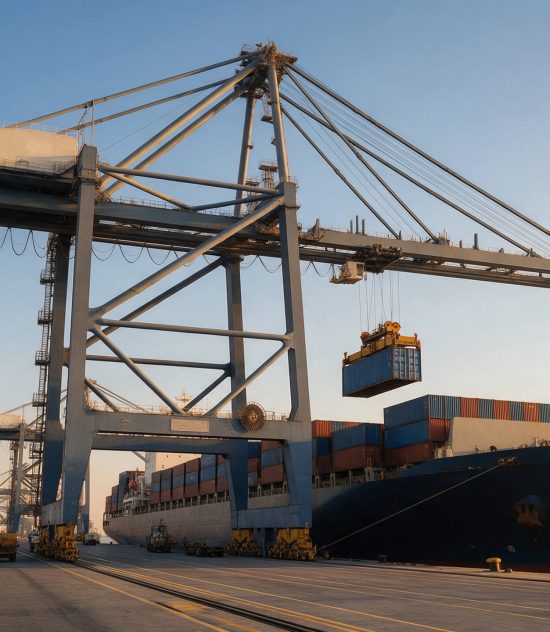
Many traders still say risk passes when goods cross the ship's rail. Incoterms dropped that test in 2010, and under Incoterms 2020 risk passes when the goods are placed on board. A container dropped on the quay during loading is still the seller's loss; once it is on board, any loss is the buyer's.
That leaves a gap on each side of the loading point. Before loading, the buyer's policy will not respond, because the risk is not yet the buyer's, so the seller needs its own cover for that leg. After loading, the buyer needs cover for the voyage and the whole inland leg from Jebel Ali or Khalifa Port to its own warehouse, including any wait for customs clearance.
For containerised cargo handed to a terminal days before sailing, the ICC recommends FCA instead of FOB, so that risk passes when the carrier takes the container.
Other Terms UAE Traders Meet: CFR, EXW, DAP
CFR (Cost and Freight) works like CIF without the insurance. The seller pays the freight, risk passes on loading, and the buyer must insure from that point.
EXW (Ex Works) puts the most risk on the buyer, from the moment goods are made available at the seller's premises. The buyer should insure from the seller's door, including loading at origin.
DAP (Delivered at Place) keeps the risk with the seller until the goods arrive at the named destination, ready for unloading. The seller will usually insure the transit, but the buyer should cover unloading and onward movement. UAE exporters selling on DAP terms carry the voyage risk themselves and need their own cover.
How to Close the Gap on Either Term
Whichever term you trade on, a few steps prevent most uninsured losses:
Control the cover where you can. Buying on FOB, FCA or CFR and insuring under your own policy gives you Clause A cover, a UAE insurer and claims handled locally.
If you buy CIF, read the certificate. Check the clauses, sum insured, insurer and where claims are paid, and ask for Clause A plus war and strikes in the contract.
Top up where needed. Some insurers offer a difference-in-conditions extension that fills the gap between a seller's Clause C and the cover you need.
Do not rely on your forwarder. A forwarder's freight forwarders liability insurance protects the forwarder against its own legal liability, which its trading conditions usually limit. It is not cargo insurance for your goods.
Sellers, insure your own leg. Exporters on FOB, CFR or CIF terms need cover until the goods are on board.
Frequently Asked Questions
Who pays for marine insurance under CIF and FOB terms?
Under CIF, the seller buys and pays for the insurance, although the cost is built into the price. Under FOB, neither party must insure, so the buyer normally arranges and pays for its own cover from loading.
When does risk pass to the buyer under FOB?
When the goods are placed on board the vessel at the named port of shipment. From that moment, loss or damage is the buyer's risk.
Is CIF or FOB better for UAE importers?
For regular importers, FOB or CFR often works better because you control the insurance and claim locally. CIF can suit occasional buyers, provided they check the seller's cover and top it up where needed.
Does CIP require more insurance than CIF?
Yes. Since Incoterms 2020, CIP requires Institute Cargo Clauses (A) cover, while CIF still requires only Clause C as a minimum.
Talk to ASIB
The trade term you agree decides who carries each stage of the risk, and gaps appear where nobody has checked the insurance. ASIB can read your contracts and certificates, explain how marine insurance under CIF and FOB terms applies to your shipments, and arrange cover that runs all the way to your warehouse.
ASIB is registered with the Central Bank of the UAE (Registration No. 165) and has worked with UAE businesses since 2003. Cover terms and pricing are individually underwritten, regulations change, and nothing in this article is legal advice. Before you sign your next contract, review your trade terms with ASIB.
The ASIB Insurance Team writes these guides to help individuals and businesses in the UAE understand their cover before they need it. ASIB has arranged personal and commercial insurance in the UAE since 2003, with a team of more than 100 insurance professionals.